- 9891 Montgomery Rd. STE 182
- info@waterlockroofing.com
- Call Us Today : 513-239-7757
Roof Leak Repair in Cincinnati, OH
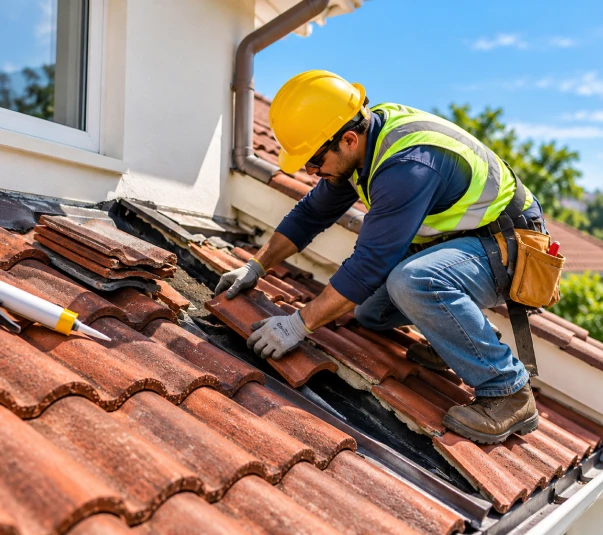
Reliable Roof Leak Repair for Cincinnati Homes
Common Causes of Roof Leaks in Cincinnati
Damaged or missing shingles
Strong winds and thunderstorms can lift, crack, or remove shingles, exposing the roof beneath to rain and moisture.
Heavy rainfall
Prolonged or intense rain can reveal weaknesses in shingles, flashing, roof valleys, and other vulnerable areas.
Flashing failures
Damaged or improperly sealed flashing around chimneys, skylights, vents, and other roof penetrations can allow water to seep inside.
Ice dams and winter weather
Snow accumulation and repeated freezing and thawing can contribute to ice dams, which may force water beneath roofing materials.
Aging roofing materials
Over time, shingles can deteriorate, seals can weaken, and roofing components can become less effective at keeping water out.
Clogged gutters and drainage problems
Gutters filled with leaves and debris can interfere with proper drainage, increasing the risk of water backing up near roof edges.
Storm damage
Hail, falling branches, and wind-driven rain can damage roofing materials and create openings that are not always visible from the ground.

Finding the actual source of a leak is essential. Water can travel along roof decking, rafters, and other structural components before appearing inside your home, meaning the visible stain may be some distance from the original problem.
How Cincinnati Weather Can Damage Your Roof

Heavy Rain and Spring Storms
Summer Heat and Severe Thunderstorms
Fall Leaves and Seasonal Rain
Winter Snow, Ice, and Freezing Temperatures
dams may form when melting snow refreezes near the eaves, potentially trapping water behind the ice. That water can work its way beneath shingles and contribute to interior leaks. In some cases, ventilation or insulation issues also contribute to the conditions that allow ice dams to form.
Roof Leak Repair or Roof Replacement?
Roof leak repair may be suitable when the problem involves a small number of damaged shingles, isolated flashing failure, or another limited issue.
Roof replacement may be worth considering when the roof has widespread deterioration, repeated leaks in multiple locations, extensive storm damage, or roofing materials nearing the end of their service life.
WaterLock Roofing can help assess the condition of your roof and determine an appropriate course of action based on the damage and the overall roofing system.

Signs You May Need Roof Leak Repair
- Brown, yellow, or dark stains on ceilings and walls
- Peeling paint, bubbling drywall, or damaged plaster
- Damp insulation or musty odors in the attic
- Dripping water during or after rainfall
- Missing, cracked, curled, or lifted shingles
- Damaged flashing around chimneys, vents, or skylights
- Water marks near roof valleys or exterior walls
- Unexpected moisture or mold-like growth in areas affected by a leak
Some leaks occur only during wind-driven rain or when snow melts, making them difficult to identify. If you suspect a problem, an inspection can help determine where water is entering and what repairs are needed.
Our Roof Leak Repair Process
Identify the Source of the Leak
A roofing professional evaluates the affected areas and checks for potential entry points, including damaged shingles, flashing, roof penetrations, valleys, and other vulnerable components. Attic and interior observations may also help trace the path of the water.
Assess the Roof Damage
Once the likely source is identified, the extent of the damage can be evaluated. This helps determine whether a localized repair is appropriate or whether a larger section of the roofing system needs attention.
Complete the Necessary Repairs
Depending on the cause, repairs may involve replacing damaged shingles, correcting flashing problems, sealing appropriate roof penetrations, or addressing other compromised roofing components. The recommended solution will depend on the roof's condition and the source of the leak.
Help Prevent Future Leaks
After addressing the immediate problem, additional recommendations may help reduce the risk of recurring leaks. These could include improving drainage, maintaining gutters, addressing damaged roofing materials, or evaluating ventilation and insulation concerns associated with winter ice dams.
Why Prompt Roof Leak Repair Matters
- Reduce the risk of extensive interior water damage
- Protect attic insulation and structural wood
- Limit deterioration of roofing materials
- Identify additional damage before it worsens
- Vent and pipe penetration repairs
- Extend the useful life of a roof that remains suitable for repair
If water is actively entering your home, protect belongings if you can do so safely and contact a qualified roofing professional. If water is near electrical fixtures or wiring, avoid the affected area and seek appropriate professional assistance.


Cincinnati Roof Leak Repair You Can Count On
Our leak repair process
Inspect
We examine your roof and look for visible and hidden signs of water intrusion.
Locate
We identify the likely source of the leak and assess the surrounding roofing materials.
Recommend
We explain what we've found and recommend the most appropriate repair solution.
Repair
Our team completes the necessary repairs using quality materials and careful workmanship.
Protect
We check the repaired area and make sure your roof is ready to continue protecting your home.

Targeted repairs for the problem areas
Depending on the condition of your roof, WaterLock Roofing can address issues such as:
- Shingle replacement
- Roof flashing repair
- Chimney flashing repair
- Valley repairs
- Vent and pipe penetration repairs
- Roof sealant repairs
- Storm damage repairs
- Minor roof punctures
- Damaged roofing materials
- Water intrusion around roof features
Why choose waterlock for leak repair?
Professional Inspection
We look beyond the visible symptoms to identify the likely source of the problem.
Quality Workmanship
Our repairs are completed with care and attention to the details that matter.
Honest Recommendations
We'll explain what your roof needs without pushing unnecessary work.

Protect your home from the next drop.
Don’t ignore the warning signs. Let WaterLock Roofing help identify the problem and restore your roof’s protection.

Where roof leaks often begin
Damaged or Missing Shingles
Weather and age can damage shingles and create openings for water.
Flashing Problems
Poorly sealed or damaged flashing around roof penetrations can allow water inside.
Roof Valleys
Valleys carry significant amounts of rainwater and need proper sealing and drainage.
Storm Damage
High winds, heavy rain, and falling debris can create damage that isn't always visible from the ground.
Aging Roofing Materials
As roofing systems age, materials can become brittle, cracked, or less effective at keeping water out.
Clogged or Poor Drainage
Standing water and blocked drainage can contribute to leaks and roof deterioration.
Does your roof need a repair or a replacement?
Not every leak means you need a new roof.

Your roof. Your home. Your peace of mind.
Frequently Asked Questions
About Roof Leak Repair in Cincinnati, OH
How much does roof leak repair cost in Cincinnati?
Can heavy rain cause a roof to leak?
Why does my roof leak only when it rains hard?
Should I repair my roof or replace it if it leaks?
Can ice dams cause roof leaks in Cincinnati?
Should I repair my roof or replace it if it leaks?
What should I do if my roof starts leaking during a storm?
How can I prevent roof leaks in Cincinnati?
Regular roof inspections, prompt repair of damaged shingles and flashing, gutter maintenance, and proper attic insulation and ventilation can help reduce the risk of leaks. After significant storms, watch for new ceiling stains, missing shingles, or other signs of damage.